By Jessy Symmes
Thursday was registration and practice day at the Scale Nats, which means no competition flights were flown and no rounds were scored in the air. That does not mean the day was quiet. Pilots trickled in through the morning, checked in at the farmhouse, ran their airplanes through processing, and spent the daylight hours getting comfortable with the field. A practice day is a treat in its own right. There is almost always something graceful in the air, from warbirds making low passes to biplanes working through gentle scale maneuvers, and the flightline hums with the sound of engines being tuned and trims being dialed in.
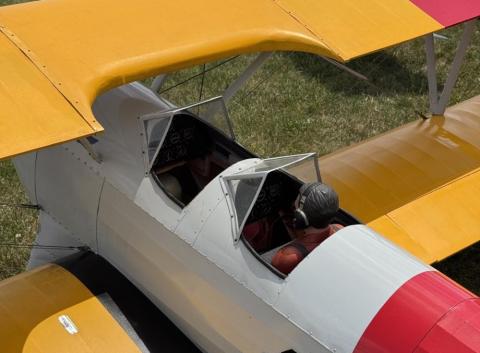
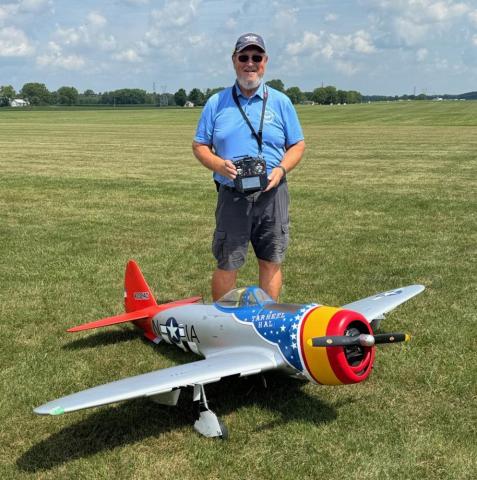
The real news of the day came in the late afternoon, when static judging opened. This is where scoring actually began for the contest, even with no competition flying on the schedule. For anyone following from home who has not seen it, static is the first half of what makes scale competition what it is. Before an airplane ever flies a competition flight, judges study it up close and score how faithfully it captures the full-size aircraft it represents.
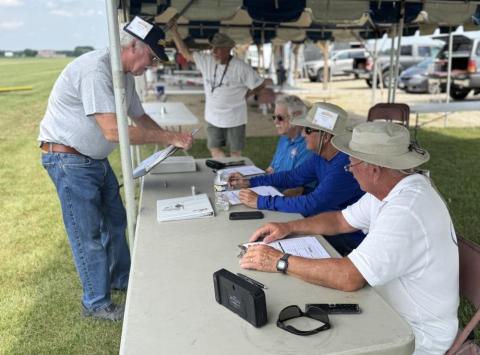
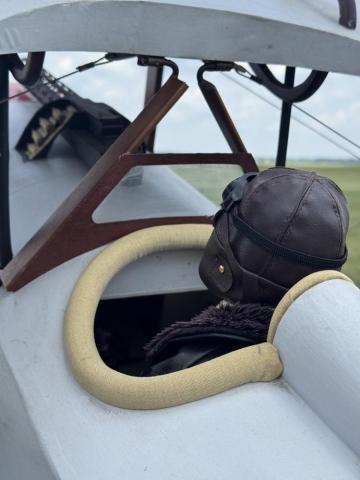
The judges look at outline and proportion, surface finish, panel lines and fasteners, markings and paint, and all the small details that separate a good model from a convincing one. Competitors back this up with documentation, meaning photos and drawings that prove the real airplane looked the way their model does. The classes that carry a Builder-of-the-Model requirement, which are Sport Scale Sportsman, Expert Sportsman, Designer Scale, and Team, go through the most detailed static scrutiny. Open Scale is judged without the builder requirement. No static scores were posted for today as static continues tomorrow before the first flights take off.
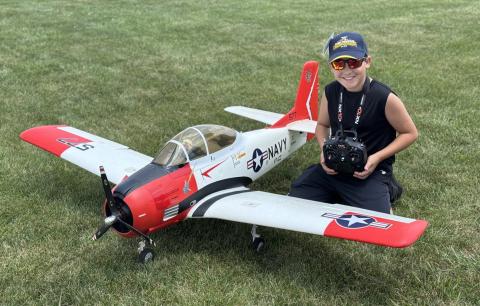
Among the newcomers this year is one of the youngest pilots on the field. Oliver Lei, 11 years old and from Mahomet, Illinois, is flying his first competition at this year’s Nats. He is no stranger to the event, though. “Bill Spencer invited me out last year to watch,” he said, “but I am back this year for my first competition.” Oliver has been flying model airplanes for about two years, and he got into scale under the guidance of Mark Overmeijer, who has been teaching him and encouraged him to compete. Mark also helped him build a routine that fits both the rules and what his airplane can do. “He’s helped me prepare a lot,” Oliver said, which is exactly the kind of preparation the veterans preach.
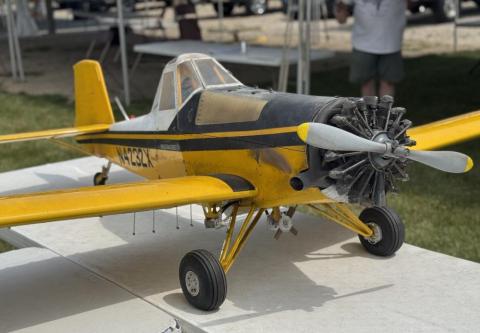
Oliver is competing in the Pro-Am Sportsman division with an E-flite Carbon-Z T-28, a sharp and capable choice for a first Nats. Ask him about his favorite maneuver and he does not hesitate. It is the stall turn, and his reason is refreshingly honest. “It’s the easiest,” he said. His dad John is serving as his spotter, and what he is looking forward to most is simply flying somewhere new. “It’s my first competition, so I like competing and getting to fly on a new field,” he said. He also has one more thing circled on his week, a presentation by legendary aircraft designer, Burt Rutan. “That will be really cool,” he said. It’s hard to argue with that.
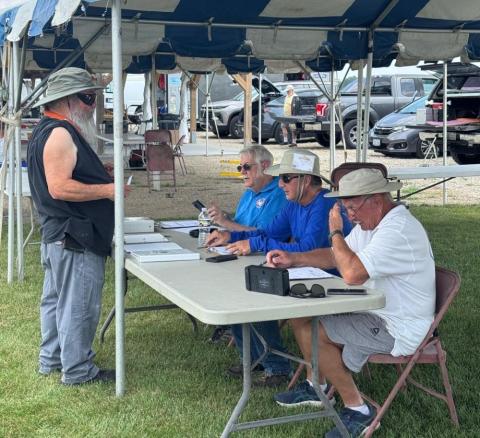
With processing done and the first models scored in static, the contest shifts into gear on Friday. After a morning pilots’ meeting and the remainder of static judging, Round 1 is scheduled to begin around 1 p.m. Check back for daily reports and scores as the 2026 Scale Nats gets underway.